

News & Events
Stay up to date with the latest E-Scooter fleet updates, special promotions, local events, and riding tips.
Electric vs. Gas Scooter Running Costs in Da Nang: Is Renting Electric Actually Cheaper?

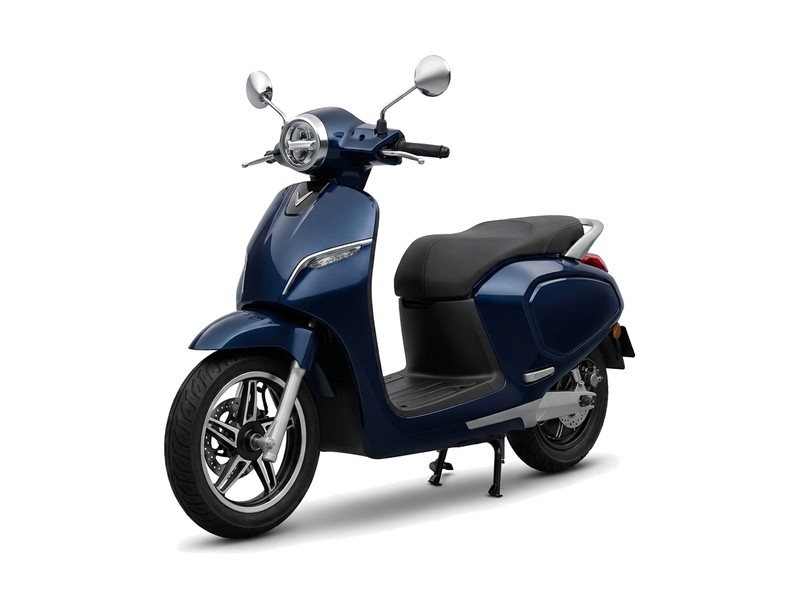
Is renting an electric scooter actually cheaper than a gas one in Da Nang? A comparison of fuel, maintenance, emissions, and the riding experience itself.
When weighing scooter rentals in Da Nang, many travelers ask the same question: “Is renting electric genuinely cheaper than renting a gas scooter, or is the price about the same with the real difference lying elsewhere?” This guide compares the actual cost categories between the two, so you understand exactly what you’re paying for when you choose electric.
1. Fuel/energy cost
With a gas scooter, fuel costs accrue continuously with distance traveled and fluctuate with market gas prices at any given time. With an electric scooter rented from E-Scooter, renters don’t pay separately for charging or battery swaps during the rental period — the energy cost is already bundled into the posted daily rental rate. This is the biggest difference in how the cost feels: with a gas bike, you fill up and track fuel spending yourself; with an electric rental, you simply pay the quoted daily rate.
2. Maintenance during the rental period
| Category | Gas scooter | Electric scooter (VinFast at E-Scooter) |
|---|---|---|
| Periodic oil change | Needed based on mileage | Not applicable (no internal combustion engine) |
| Engine maintenance | More involved, more mechanical parts | Simpler, mainly checking the battery, brakes, and tires |
| Who covers incidental costs | Per the rental provider’s policy | Per E-Scooter’s policy (the bike is serviced before handover) |
As a renter, you don’t directly pay for routine maintenance on either type — but electric scooters inherently have fewer maintenance items to begin with, since there’s no combustion engine, spark plug, air filter, or exhaust system.
3. Environmental and urban impact
Electric scooters produce no direct tailpipe emissions while riding, helping reduce air pollution in busy areas like downtown or along My Khe Beach. They also run quieter, cutting down engine noise — a noticeable benefit when riding through residential areas or in the evening.
4. A different riding experience
- Starting and accelerating: an electric scooter responds instantly to the throttle, with no “cranking” or waiting for the engine to catch like a gas bike.
- Running noise: an electric scooter is nearly silent, great for early mornings or riding through quiet neighborhoods.
- Engine vibration: without a combustion engine, longer rides feel less tiring on an electric scooter.
- Refueling time: a gas scooter fills up in minutes at a station; an electric scooter needs 4–6 hours to charge, or about 2 minutes for a battery swap at an E-Scooter station.
5. When electric rental costs really pay off
- Longer, multi-day trips: a fixed daily rate is easier to budget than estimating fuel spending day by day.
- Heavy city riding with frequent traffic: an electric motor doesn’t burn “fuel” idling at red lights or crawling in traffic, while a gas engine keeps consuming fuel even at idle.
- Riders who prioritize a quiet, smooth ride: great for early rides or trips with young children or older riders sensitive to engine noise.
6. A note on the numbers
Note: actual gas and electricity prices fluctuate over time and with market policy, so this guide doesn’t quote specific VND/km figures for either bike — those numbers change constantly and would be misleading if not updated at the moment you’re reading. The key point when renting from E-Scooter is this: the posted daily rate is the only running cost you’ll pay, with no extra fuel or charging fees during a valid rental period.
7. Checklist for choosing the right bike type
- Count your total rental days to compare the fixed total cost.
- Favor electric if you’re riding mostly in the city with frequent traffic.
- Favor electric if you want a quiet, smooth ride for a family with young children.
- Ask the Hotline about charging/swap policy if you’re planning a longer day trip.
- Compare daily rates across E-Scooter’s electric models to find the one that fits your budget.
8. Frequently asked questions
Do I pay extra for charging when renting an electric scooter from E-Scooter?
No. The daily rental rate already includes energy costs; renters don’t pay separately for charging or battery swaps during a valid rental period.
Does an electric scooter really need less maintenance than a gas one?
In principle, yes — electric scooters have fewer maintenance items since there’s no combustion engine, spark plug, or exhaust system. With a rental, E-Scooter handles servicing before handover either way, so this isn’t something renters need to worry about directly.
Is an electric scooter genuinely more eco-friendly than a gas one?
Electric scooters produce no direct emissions while riding, reducing local air pollution compared to a gas scooter burning fuel directly.
If my electric scooter runs out of battery mid-trip, is there an extra fee for a swap?
Contact Hotline 0914 353 353 to confirm the support policy and any cost that applies to your specific situation when you need a mid-trip battery swap.
No fuel costs
Just charge or swap the battery at a station
No periodic oil changes
An electric motor has no combustion chamber, so there's less to maintain
Zero tailpipe emissions while riding
Easier on Da Nang's urban air quality
Rental price already covers running costs
No extra fuel charges while renting from E-Scooter
When you rent an electric scooter, E-Scooter has already handled the messiest part of running costs for you — you just pay the posted daily rate.

Ready to ride an E-Scooter?
Explore vehicles →